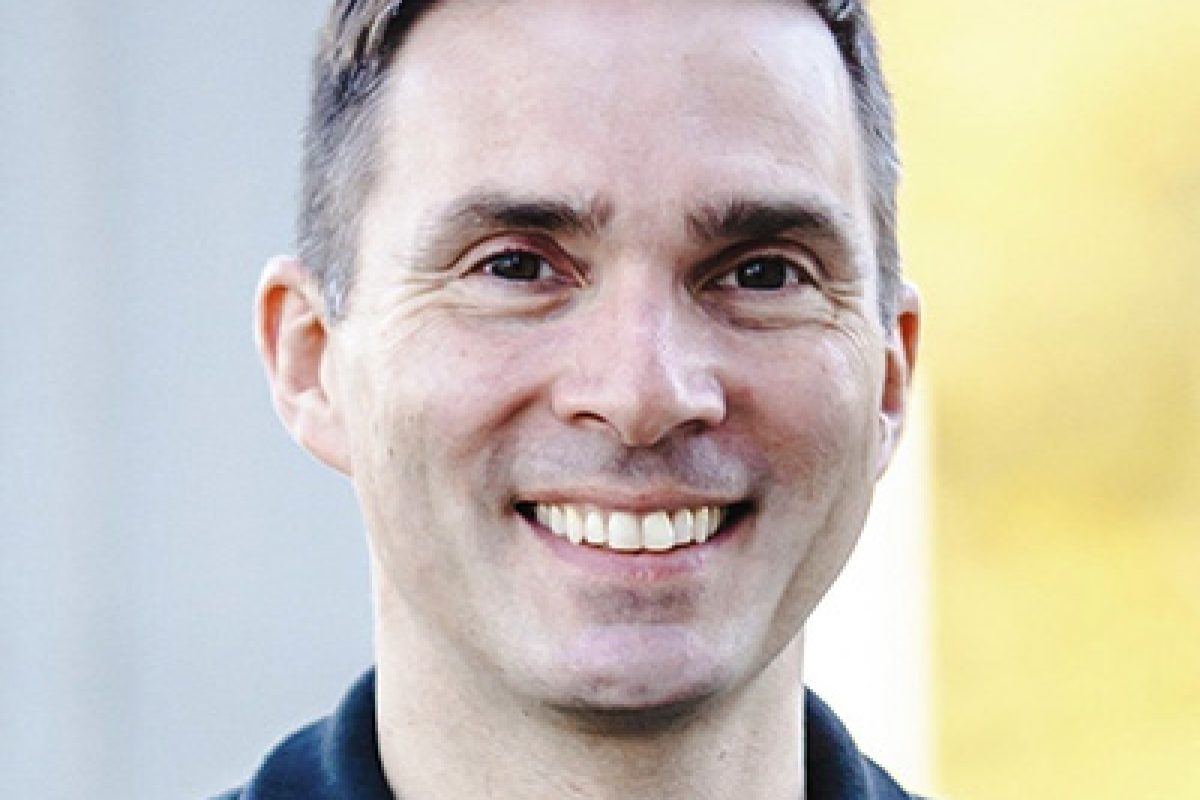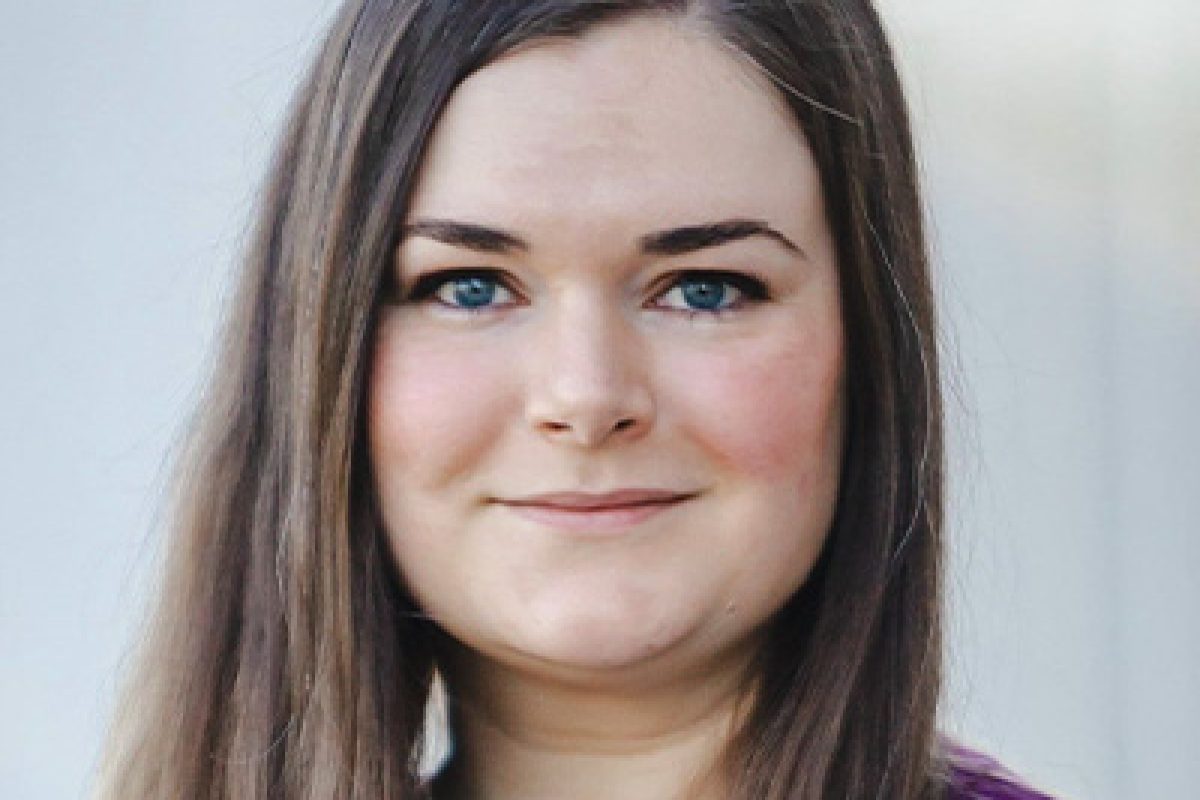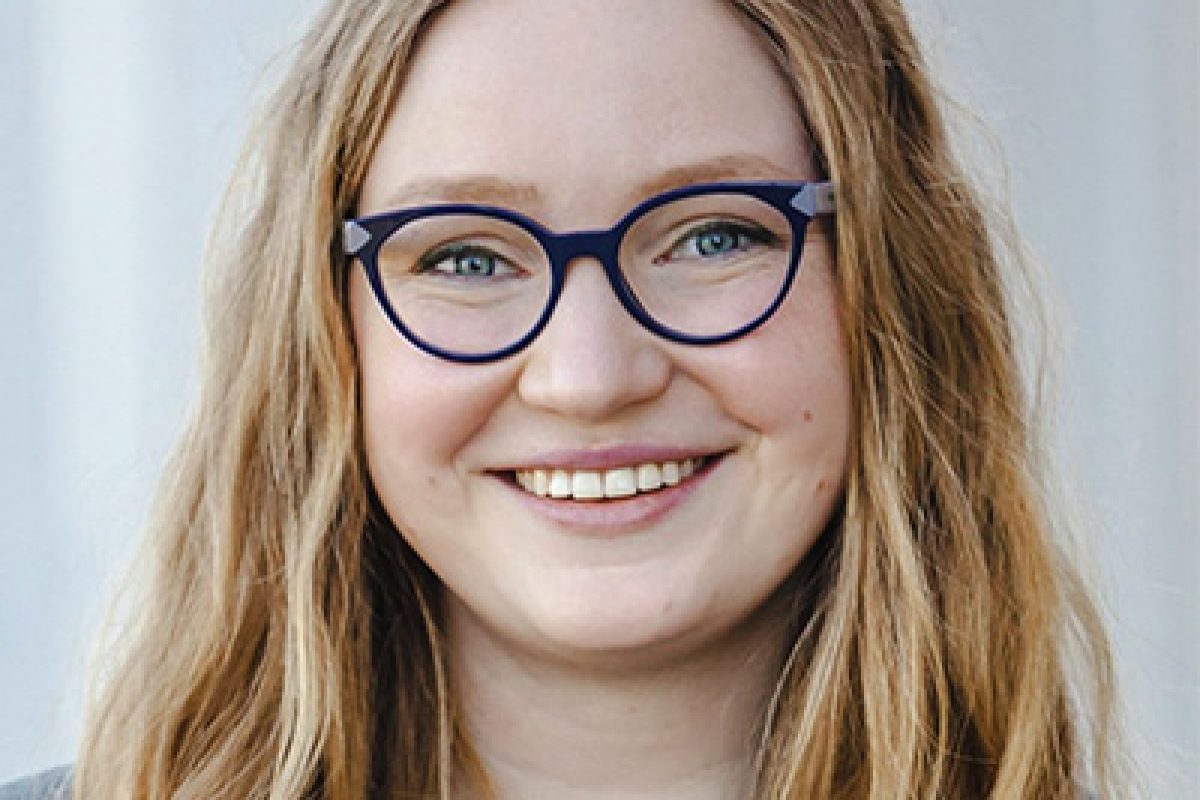

Beverly Davidson, PhD

Dr Davidson is the Director of Translational Research at ENDD, the Chief Scientific Strategy Officer and Director of the Raymond G. Perelman Center for Cellular and Molecular Therapeutics and the Arthur V. Meigs endowed Chair in Pediatrics at the Children’s Hospital of Philadelphia. She is also Professor of Pathology and Laboratory Medicine and Professor of Genetics at the Perelman School of Medicine, University of Pennsylvania.

In 2019, Dr Davidson was elected a member of the National Academy of Medicine for her “being on the forefront of developing innovative therapies and medicines for fatal, inherited brain disorders, which are engineered to either remove toxic proteins or replace missing proteins, and for improving or preventing disease progression.”

Dr Davidson received her B.S. in Biology from Nebraska Wesleyan University, and Ph.D. in Biological Chemistry from University of Michigan. She completed postdoctoral studies in Molecular Genetics at the University of Michigan. Recent honors include election into the American Academy of Arts. She is the current president of the American Society of Gene and Cell Therapy, the largest international association of gene and cell therapy research.

Lab Members

Brandon Brown, PhD

Postdoctoral Fellow

Guillem Chillón, BS, BA

Graduate Student

Max Gessner, BS

Research Technician

Mika Houserova

Bioinformatics Scientist

Dulcie Lai, PhD, PharmD

Research Scientist

Shareen Nelson, BS

Research Assistant

Ingo Helbig, MD

Dr Helbig is the Director of Clinical Research at ENDD, an attending Pediatric Neurologist in the Division of Neurology and the Director of Genomic Science at Children’s Hospital of Philadelphia (CHOP), and an Assistant Professor of Neurology at the Perelman School of Medicine, University of Pennsylvania.

Dr Helbig co-headed the EuroEPINOMICS-RES Consortium, the European counterpart of the NIH-funded Epi4K consortium involved in collaborative genomic studies to identify genes for human epilepsies. He was part of the Genetics Commission of the International League Against Epilepsy (ILAE) and the Epilepsiome Task Force of the ILAE Genetics Commission, which aims to increase genetic literacy in the epilepsy community. He is an expert in clinical genetics and clinical care for several monogenic neurodevelopmental disorders. His work has led to greater understanding of how genetic changes lead to severe epilepsies including STXBP1, SYNGAP1, GRIN2A, CHD2, KCNA2, HCN1, and DNM1. Recently, his focus has shifted to development of clinical outcome measures and biomarkers for clinical trials.

He received an MD at Ruprechts-Karl University Heidelberg, Medical Faculty Mannheim, Mannheim, Germany. He completed a fellowship in Pediatric Epileptology at the Epilepsy Research Centre, Melbourne, Australia, and did residencies in Pediatrics and Neuropediatrics at the University Hospital Schleswig-Holstein, Germany, and Child Neurology at CHOP.

Lab Members

Bintou Bane, BA

Clinical Resource Coordinator

Torrey Chisari, BA

Clinical Research Coordinator

Kristin Girardi Cunningham, MS, OTR/L, BCP

Clinical Specialist and Senior Occupational Therapist

Rency Dhaduk, BS

Genetic Counseling Assistant

Caryln Glatts, MD

Developmental Behavioral Pediatrician

Alexander Gonzalez, MBA, MS

Sr. Manager, Research Data Integration

Alicia Harrison, MS

Genetic Counselor

Michael Kaufman, MS

Data Scientist

Macie McCarthy, BA

Genetic Counseling Assistant

Jillian McKee, MD, PhD

Attending Neurologist

Ian McSalley, MS

Bioinformatics Scientist

JoeyLynn Nolan, RRT, NPS, AEC

Clinical Study Coordinator

Julie Orlando, DPT, PhD

Postdoctoral Research Fellow

Vivek Padmanabhan, MS

Data Integration Analyst

Samuel Pierce, PT, PhD, NCS

Physical Therapist

Sarah Tefft, MSN, CRNP

Nurse Practitioner

Charlene Woo, OTR/L

Occupational Therapist

Julie Xian, BA

Data Researcher

Stephanie Zbikowski, MACCCSLP, CNDT

Speech Language Pathologist

Jillian McKee, MD, PhD

Research Interests

SYNGAP1-related neurodevelopmental disorder, clinical trial readiness, EEG biomarkers, electronic medical data, machine learning/AI, seizure prediction

Education

BS, Honours Physiology, McGill University
PhD, Computational Neuroscience, University of Chicago
MD, University of Chicago, Pritzker School of Medicine

Hometown

Toronto, Canada

Michael Boland, PhD

Michael Boland is a cellular/molecular biologist with expertise in human stem cell technology, transcriptomics, epigenetics, developmental neurobiology, disease model-development, gene-targeted therapy development, and drug discovery.

He obtained a PhD in Biochemistry and Molecular Biology at the University of Nebraska Medical Center (Omaha, NE) where he identified and characterized a novel link between DNA methylation and DNA repair in embryonic stem cells. He did postdoctoral work at the Scripps Research Institute (La Jolla, CA), where he studied the developmental potential and genomic structural variation of mouse pluripotent stem cells via mouse cloning and whole genome sequencing. Also at Scripps Research, he integrated gene expression and epigenetic abnormalities during early neurodevelopment in a human pluripotent stem cell model of Fragile X Syndrome developed in collaboration with the Fragile X Testing Center at University of California – Davis.

As an Assistant Professor at the Columbia University Medical Center, Boland’s group combined single cell transcriptomics and neurophysiological methods with human pluripotent stem cells (2D and organoids) and genetic mouse models to discover and study developmental and functional phenotypes in neurodevelopmental disorders. After studying several developmental and epileptic encephalopathies (KCNT1, GNB1, HNRNPU, GRIN2A, FMR1), malformations of cortical development (MAP1B, FLNA) and congenital disorders of (de)glycosylation (NGLY1, PMM2, DPAGT1), his focus shifted to developing gene targeted therapies for STXBP1 haploinsufficiency when his oldest son was diagnosed with a frameshift in STXBP1 shortly after birth.

Boland left Columbia to join ENDD as the Strategic Director for Translational and Clinical Research. He is an active patient advocate, and a member of the Scientific Advisory Board for the STXBP1 Foundation, Jack’s Tomorrow (PURA Syndrome), and the CSKN2A1 Foundation.